-
What is Environmental Justice?
Environmental issues affect all of us — but not all of us equally. Marginalized groups and communities face disproportionate impacts of the climate crisis — while being the least responsible for its causes. Yet for as long as environmental harms and impacts have been made, environmental activists and communities have fought back. Today, that movement is… Read more »
-
The Wabanaki Forest
You may have noticed that over the past year, we have begun to refer to the forest in the Maritimes as the Wabanaki-Acadian Forest, or simply the Wabanaki Forest. You may be wondering where this name comes from or why we’ve made this change. In Canada, climate justice cannot be separated from Indigenous reconciliation and… Read more »
-
How might climate change affect the Wabanaki forest?
The Wabanaki forest—also referred to as the Acadian forest—roughly spans Wabanakik, a region that encompasses the Gaspé Peninsula of Quebec, New Brunswick, Nova Scotia, Prince Edward Island, and parts of New England. This unique forest type is an eco-region transition zone, boasting tree species found in both the boreal forest, to the north, and the… Read more »
-
National Day for Truth and Reconciliation
On September 30th we come together to mark National Day for Truth and Reconciliation. The day honours the lost children and Survivors of residential schools, their families, and their communities. Reconciliation is a complex process. It means Indigenous history education for all. It means food and land security, clean drinking water, and basic human rights… Read more »
-
Restoring the Mangroves of Mozambique
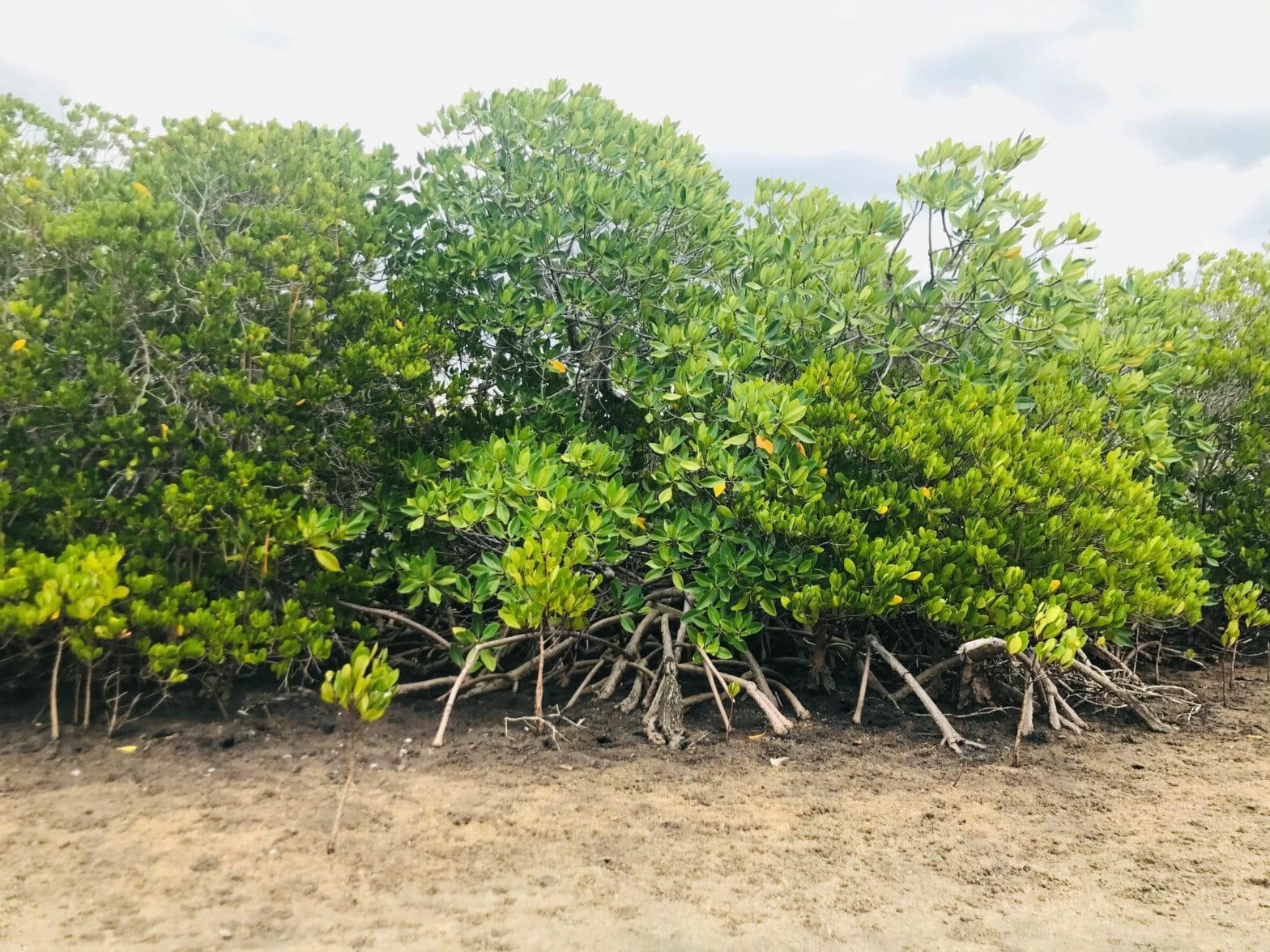
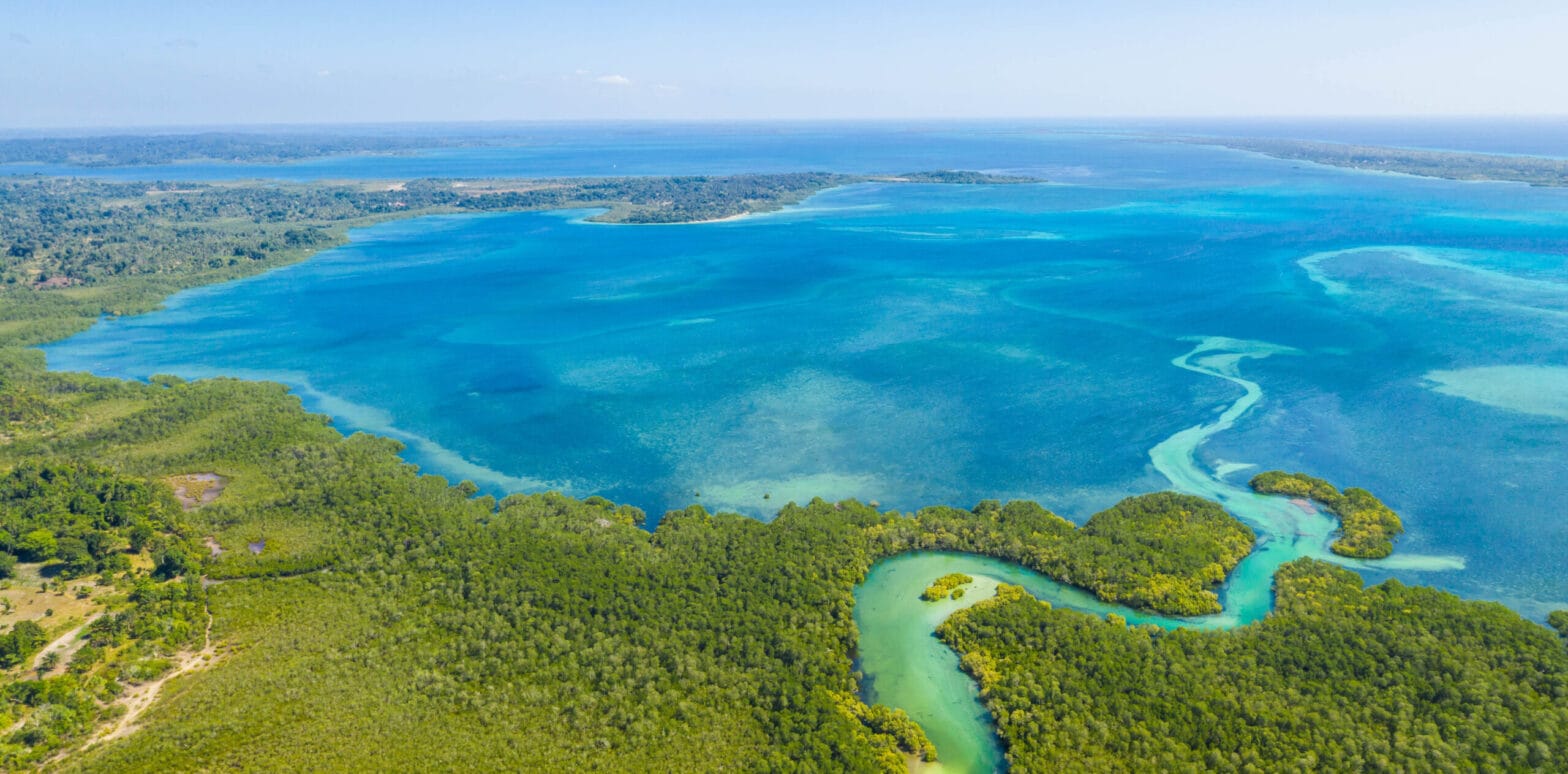
Expanding Our Roots At the end of 2020, we announced that Community Forests was going to expand our reach to Mozambique. Last month a small team from Community Forests Pemba travelled to Mozambique as expert advisors to help build climate-adaptive livelihoods and community-led mangrove restoration. This is the first of many collaborations for Community Forests.… Read more »
-
A Movement for Environmental Rights
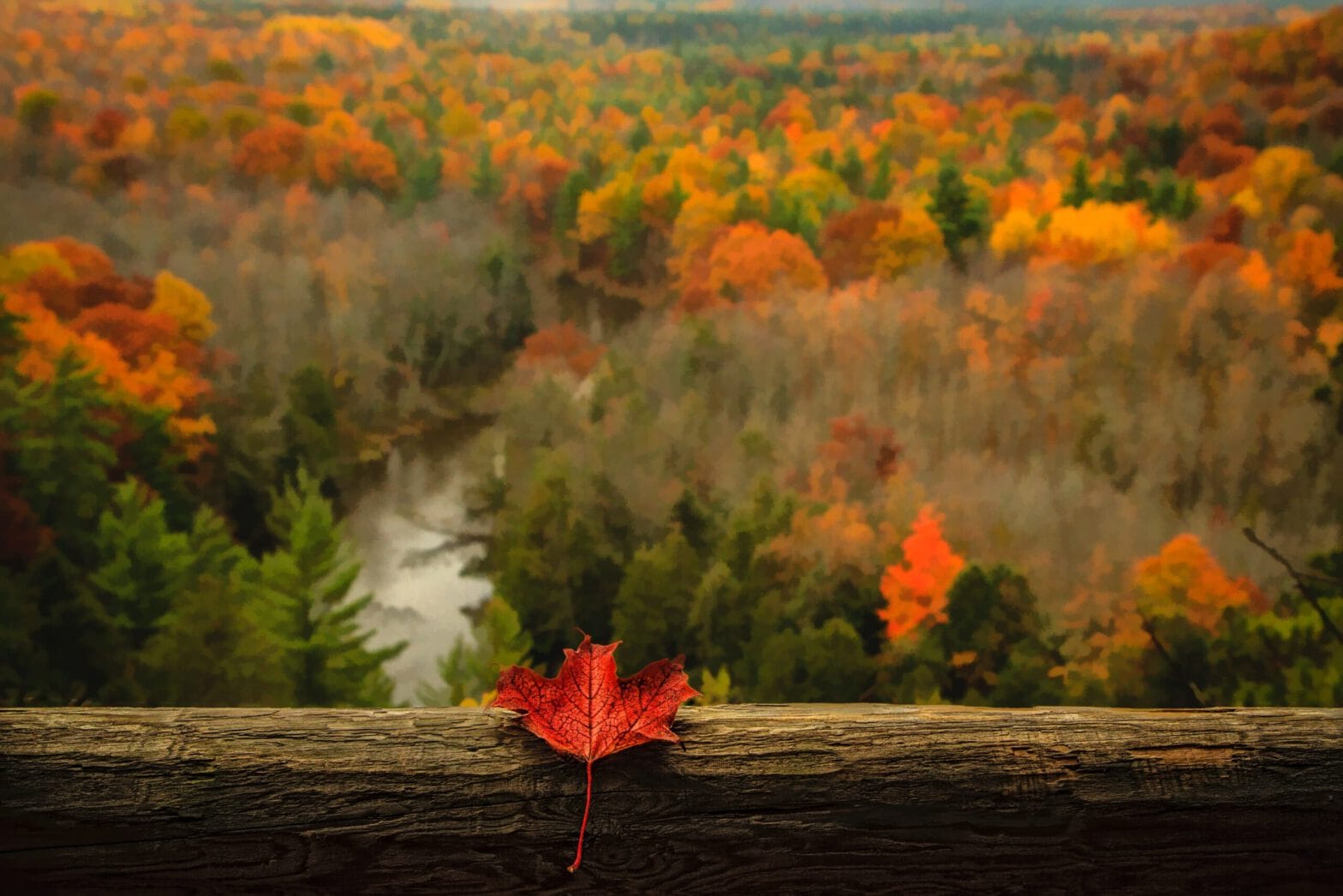
Community Forests International is very excited to join the Coalition for Environmental Rights. The Coalition is a diverse group of organizations and partners working towards environmental justice in Canada and to secure the right to a healthy environment, including clean air, water and soil, and a safe and stable climate. What are Environmental Rights? The… Read more »
-
Zanzibar’s Farmer Field Schools: Growing Resilience
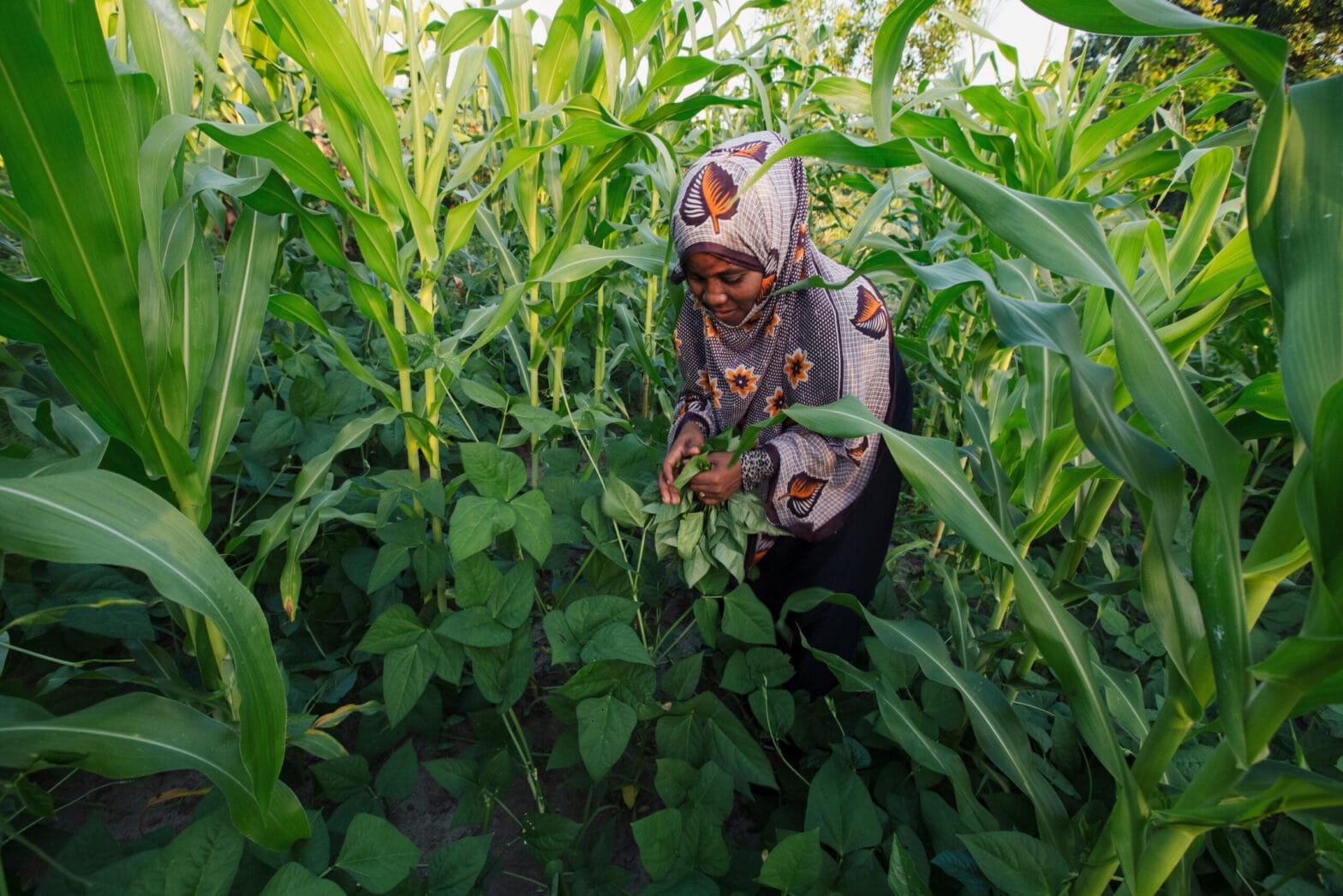
One year ago, Community Forests launched the VIUNGO Project in Zanzibar. Translating to “ingredients” in Swahili, VIUNGO is a four-year collaborative effort between local and international organizations in the region. Together, we are working to support small-scale farmers, empower women and youth, and boost economic growth and opportunity – key ingredients in a recipe for… Read more »
-
Press Release: Community Forests International releases new report on forests and flooding
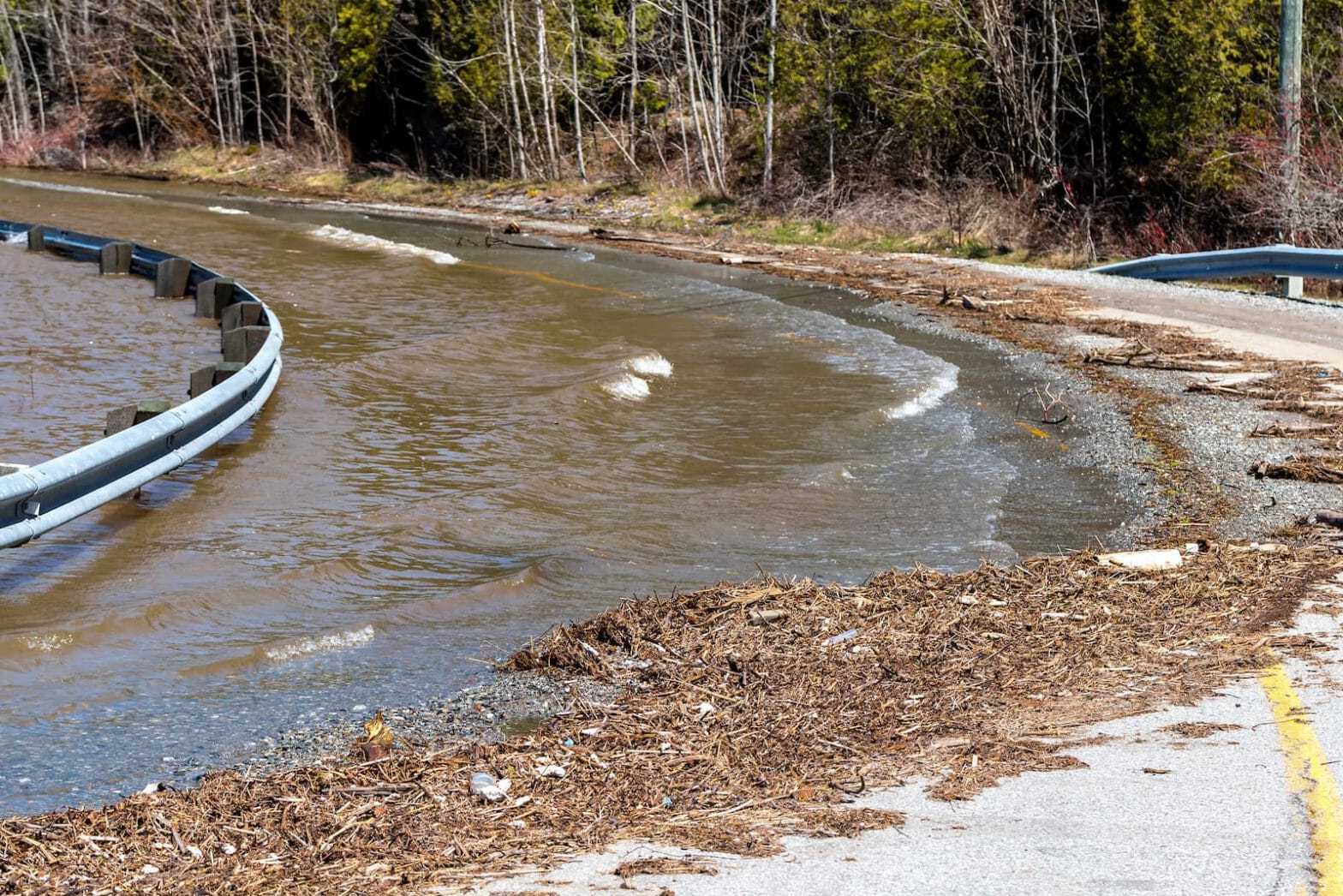
FOR IMMEDIATE RELEASE: Tuesday, June 22, 2021 New report from Community Forests International shows that forests could play an important role in reducing flood-risk in New Brunswick Sackville, NB: Community Forests International today released a new report titled, Forests and Floods: Natural Infrastructure for a Green Recovery, which highlights the important role that forests could… Read more »
-
Forests & Floods
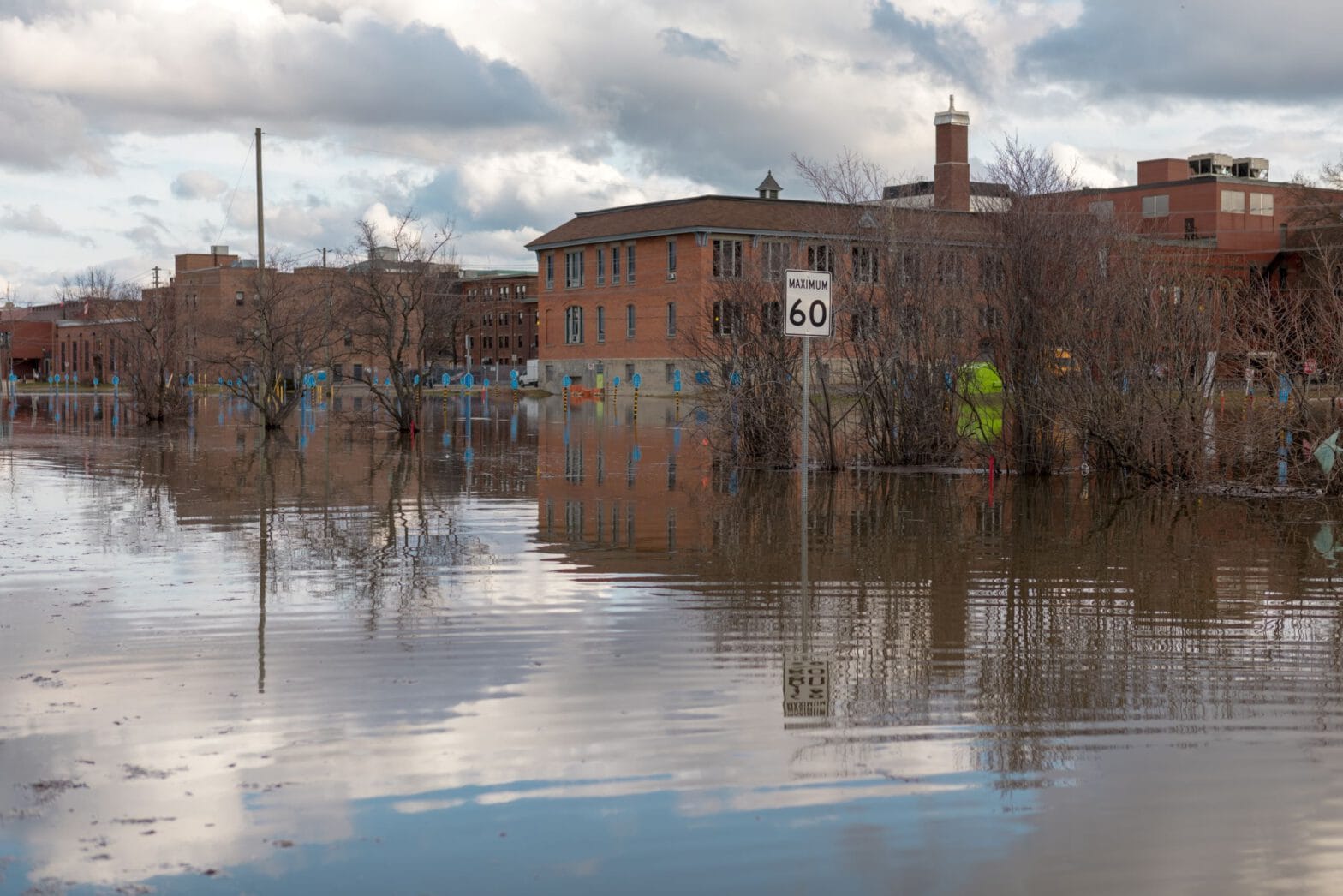
Updated May 2023 to include new research from the Intact Centre on Climate Adaptation at the University of Waterloo. Community Forests International’s new report, Forests and Floods: Natural Infrastructure for a Green Recovery, highlights the important role that forests could play in reducing flood risk in New Brunswick and similarly impacted regions in Canada. The… Read more »
-
Walking Our Common Ground
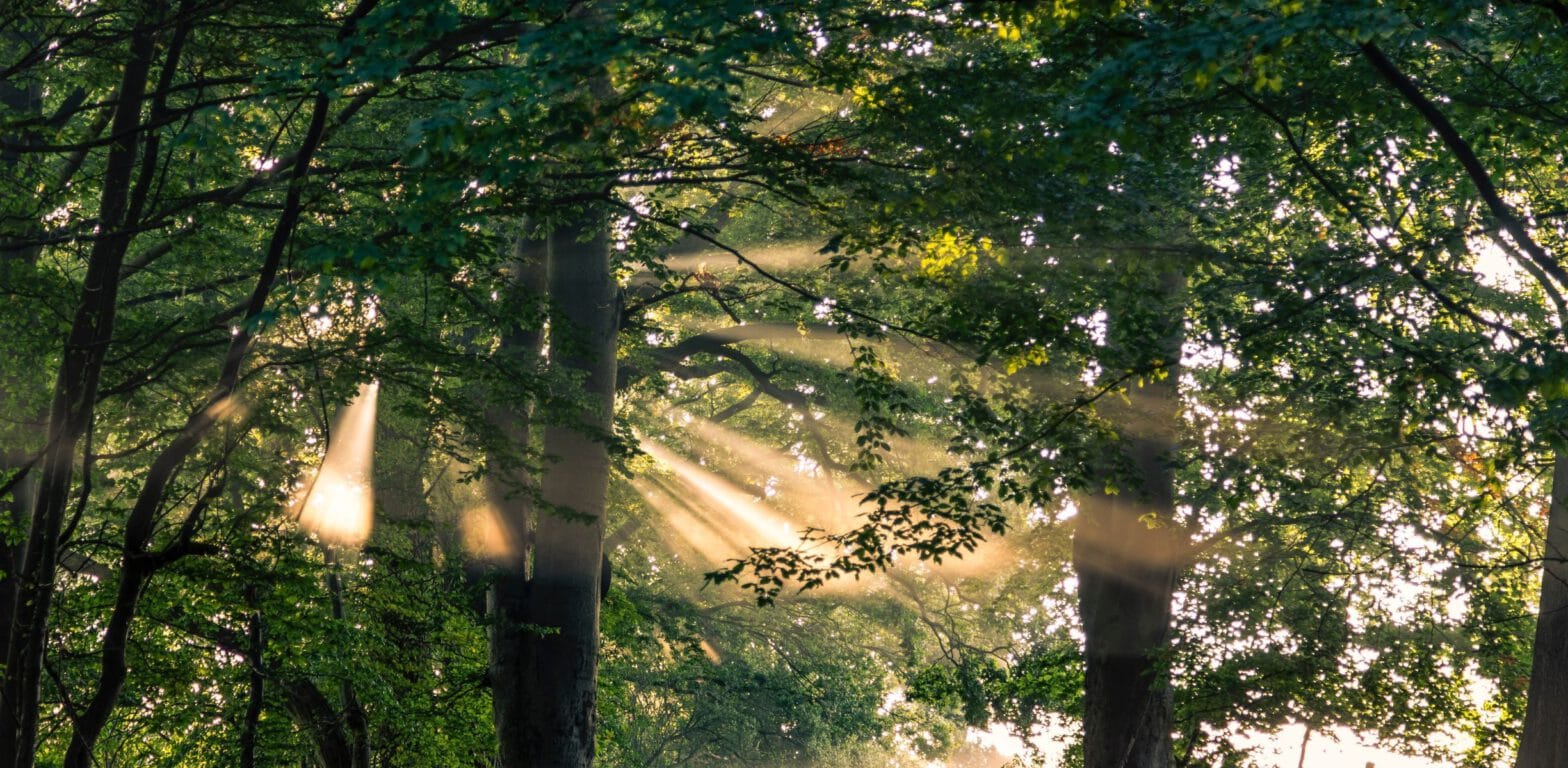
Community Forests International is excited to announce the launch of the Common Ground project. A collaborative initiative between Community Forests International, The Ulnooweg Development Group, and The Nova Scotia Family Forest Centre, the Common Ground project seeks to mobilize citizen climate action in the rural Maritime region on the unceded territory of Mi’kmaq and Wolastoqiyik… Read more »
-
Climate Justice is Resilience
The climate crisis affects us all — but not all of us equally. Marginalized and underprivileged individuals, groups, and communities face disproportionate impacts of the climate crisis — while being the least responsible for its causes. These struggles are often compounded by unequal access to the resources needed for urgent adaptation and mitigation efforts. Some… Read more »
-
Press Release: Aggregated Forest Carbon Project
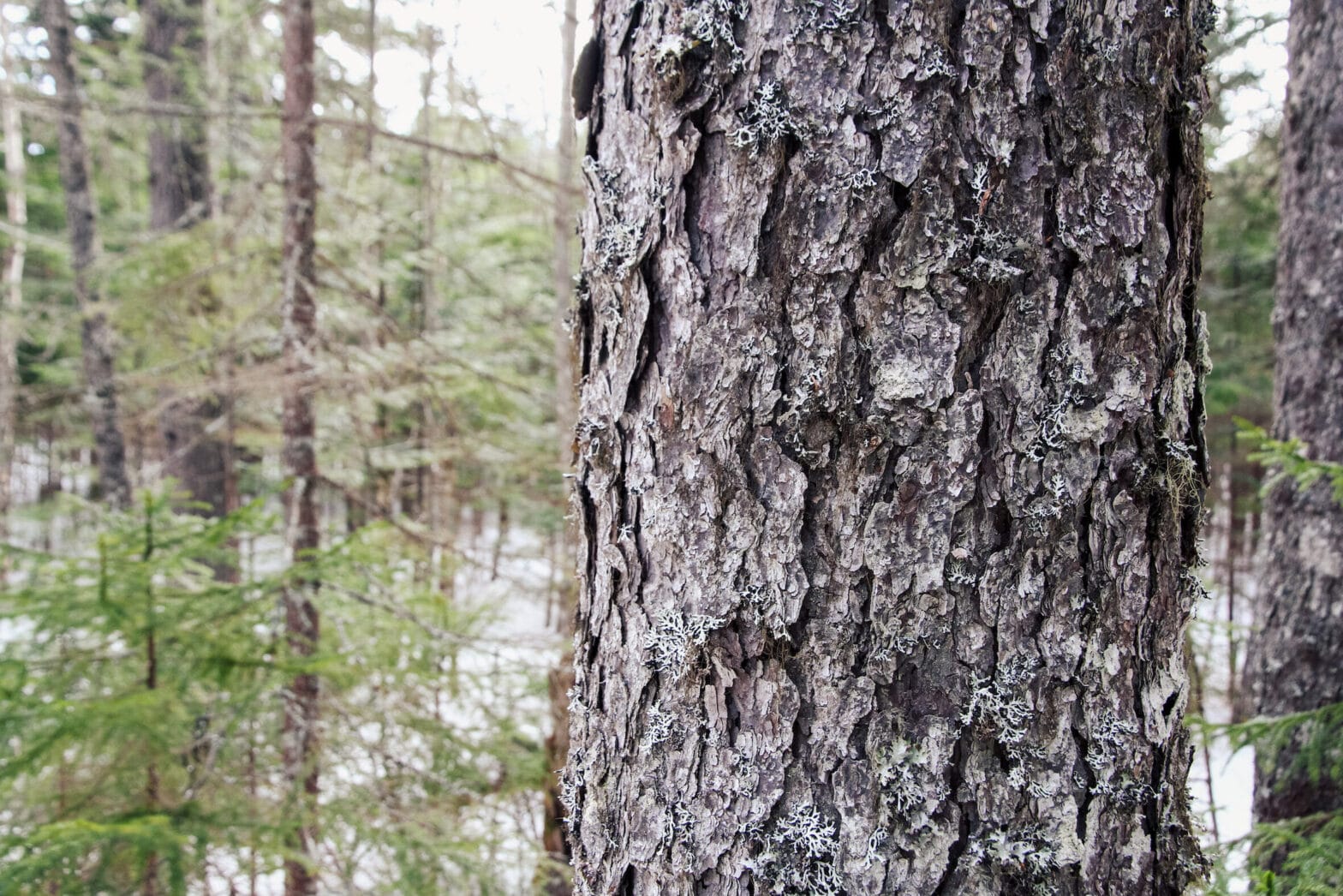
Community Forests International is building an aggregated family forest carbon offsets project with support from the Investment Readiness Program Sackville, NB: Today Community Forests International announced that it is in the process of building an aggregated forest carbon project — the first project of its kind in Canada. The goal of this project is to… Read more »
Subscribe To Your Favourite Forests
Stories from the Wabanaki forest of the Maritimes, the Spice Forests of Zanzibar, and the mangrove forests of Mozambique.
Sign Me Up