-
Take Action Against Glyphosate

Community Forests International is firmly against spraying glyphosate on forestland and we ask you, our community, to voice your opposition. Glyphosate is used to suppress hardwood tree species that compete with industry-favoured softwood species. It is one of several forest management practices that is limiting our forest composition—eliminating the diversity that is critical to the… Read more »
-
Acre by Acre: The Community Forests International Brand

There’s a small island in the Indian Ocean, in the Zanzibar Archipelago, that is home to vibrant communities, lush mangrove forests, and a rich history of spice farming. Community Forests International has worked in partnership with the people of Pemba Island for 15 years to support community-led projects that range from tree planting and agroforestry… Read more »
-
Lunch-and-learn!

Update: If you missed the event, you can still watch this inspiring and informative session here. How can the forestry sector support the well-being of the diversity of people connected to the forests? We know doing so will require many communities to work together. That is why in 2021, we launched the Common Ground project — a… Read more »
-
A campaign to protect the Wabanaki Forest

New Brunswick non-profit launches campaign to protect 2,500 acres of endangered forest Sackville, New Brunswick: Community Forests International has launched a fundraising campaign to protect and restore 2,500 acres of forest across the Maritimes while raising public awareness about the special forest type that is found in this part of Canada. The Wabanaki forest—also called… Read more »
-
Forests Are Our Greatest Climate Solution
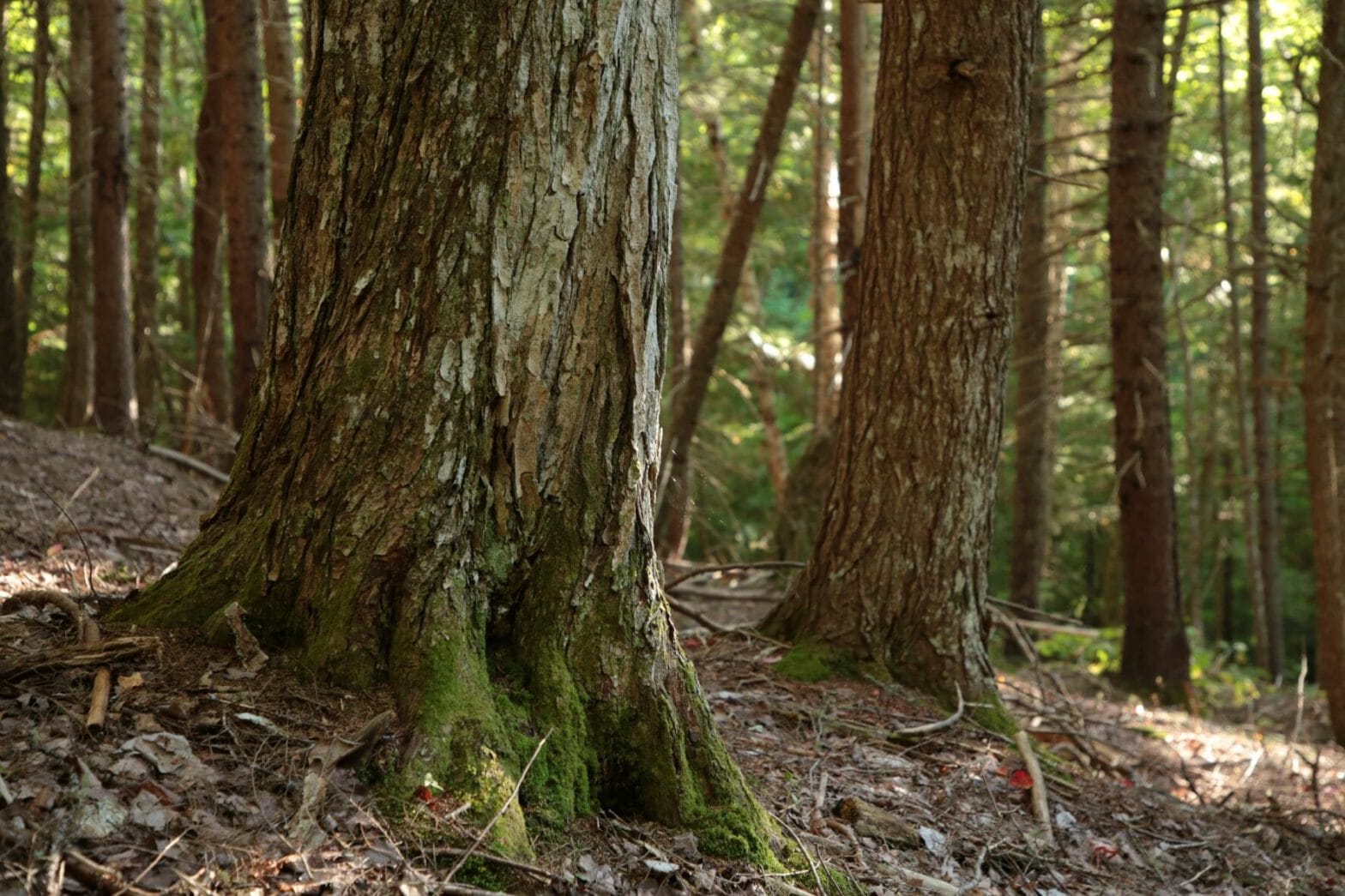
Canada’s 2030 Emissions Reductions Plan is here – but where does it leave our forests? On Tuesday, March 29, the Government of Canada released its 2030 Emissions Reductions Plan (ERP), announced as a “comprehensive roadmap” for greenhouse gas emission reductions. Community Forests International applauds the ambitious commitments to empower communities to take climate action, most… Read more »
-
Melrose Hill: Forest For The Future
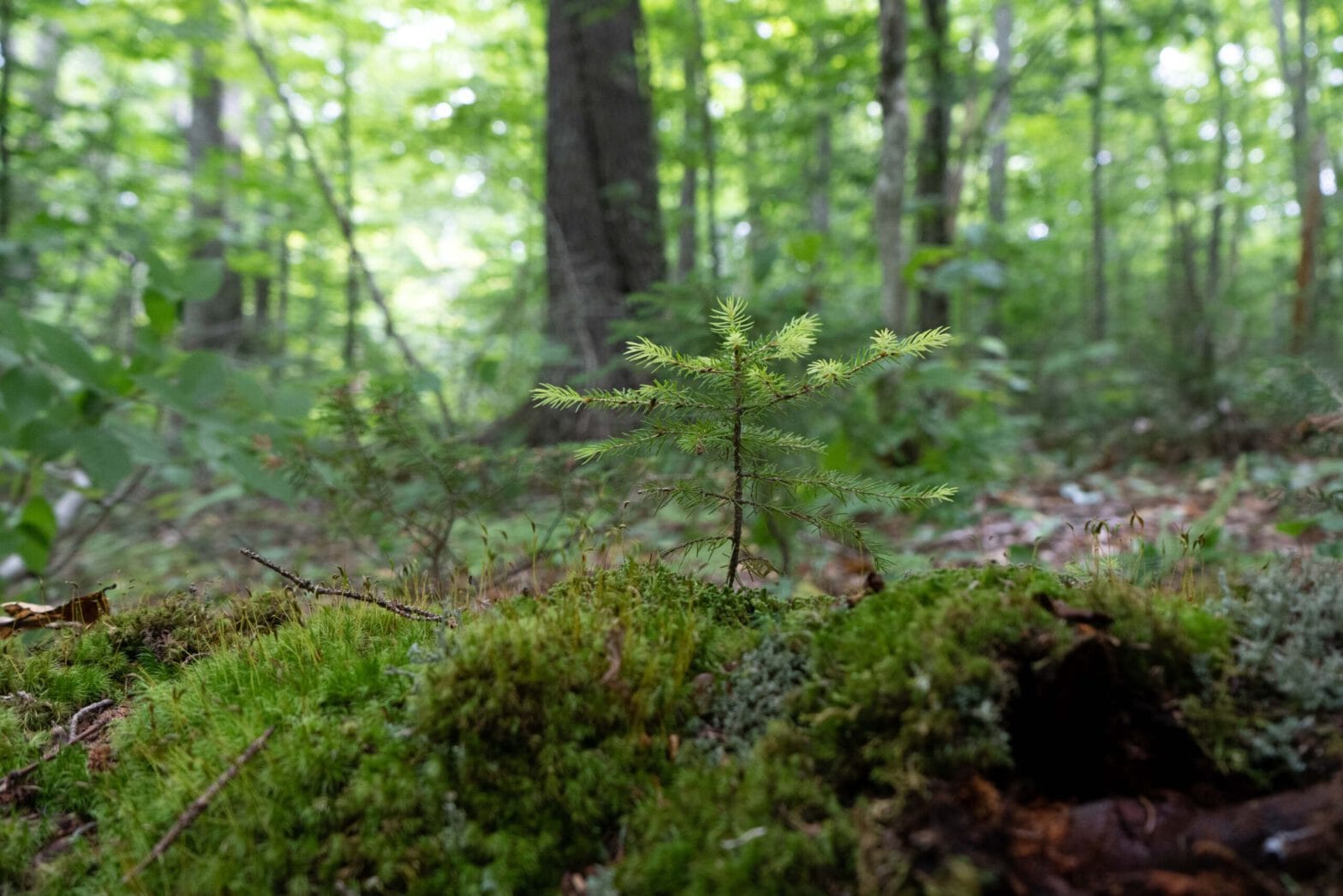
We are excited to announce that Community Forests International has successfully secured nearly 500 acres of forest in Cape Breton, Nova Scotia, to protect for long-term community and climate benefits! This newly protected property marks the first expansion into the province for Community Forests International’s active conservation work, and we look forward to caring for… Read more »
-
A Call To Action For The Environmental Movement
A Resource Guide to Support Environmental Organizations in Decolonization Work In Canada, climate and environmental justice cannot be separated from Indigenous reconciliation. That is why Community Forests International is continually learning ways to centre Indigenous justice within our work to protect and restore the forest of the Wabanaki-Maritime region — all while working to inspire… Read more »
-
New Brunswick Forests Need the Wolastoqey Nation
In solidarity with the Wolastoqey Nation of New Brunswick. New Brunswick is a province defined by beautiful forests and rivers that support an abundance of life. For thousands of years before settlers arrived, long before the province of New Brunswick existed, the Wolastoqey Nation thrived in reciprocity with the forests of the Wolastoq watershed. Today,… Read more »
-
A better future is possible
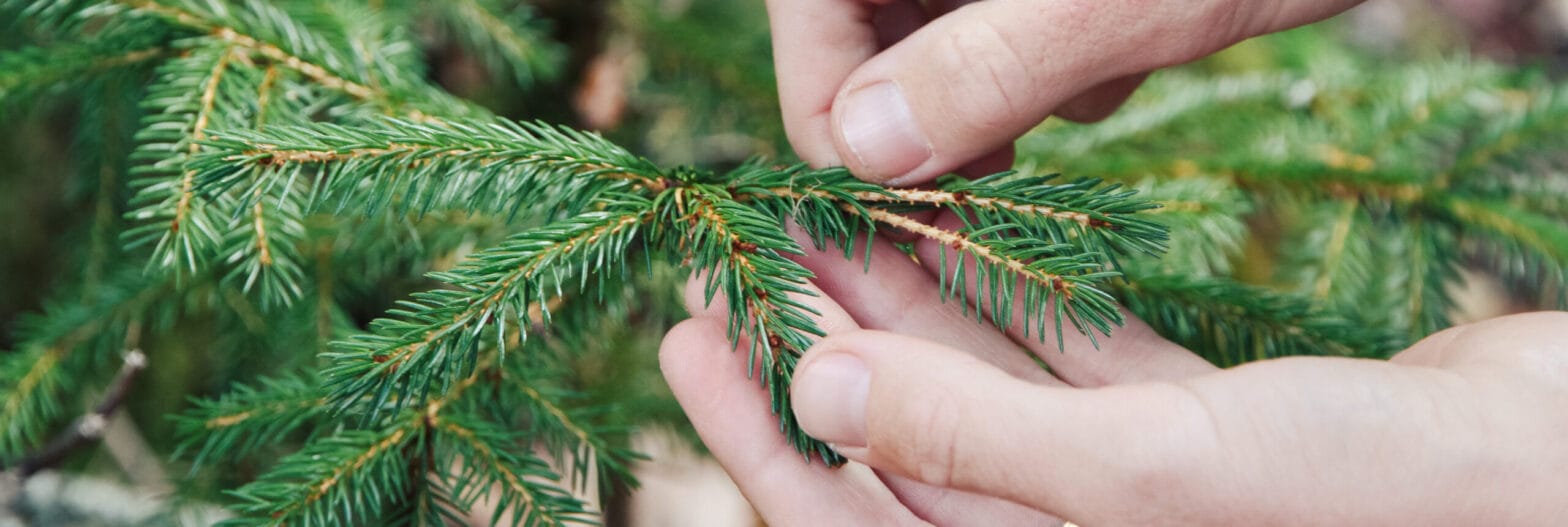
At the 2021 Climate Change Conference (COP26), dozens of world leaders pledged to end global deforestation by 2030. But what does this mean for the Wabanaki forest in the Maritimes? With a deforestation rate of 0.02%, deforestation seems to be of little concern in Canada. Yet this hides a more complex truth: that under business-as-usual, Canada’s forests… Read more »
-
Introducing the Forest Accord

Community Forests International is delighted to present the Maritime Forest Accord, a new resource and storytelling hub dedicated to uplifting the vibrant community of people committed to forest stewardship in this region. We hope this platform will serve as a central resource hub for people and groups who care about the special forest in this… Read more »
-
Environmental Justice with Tina Oh
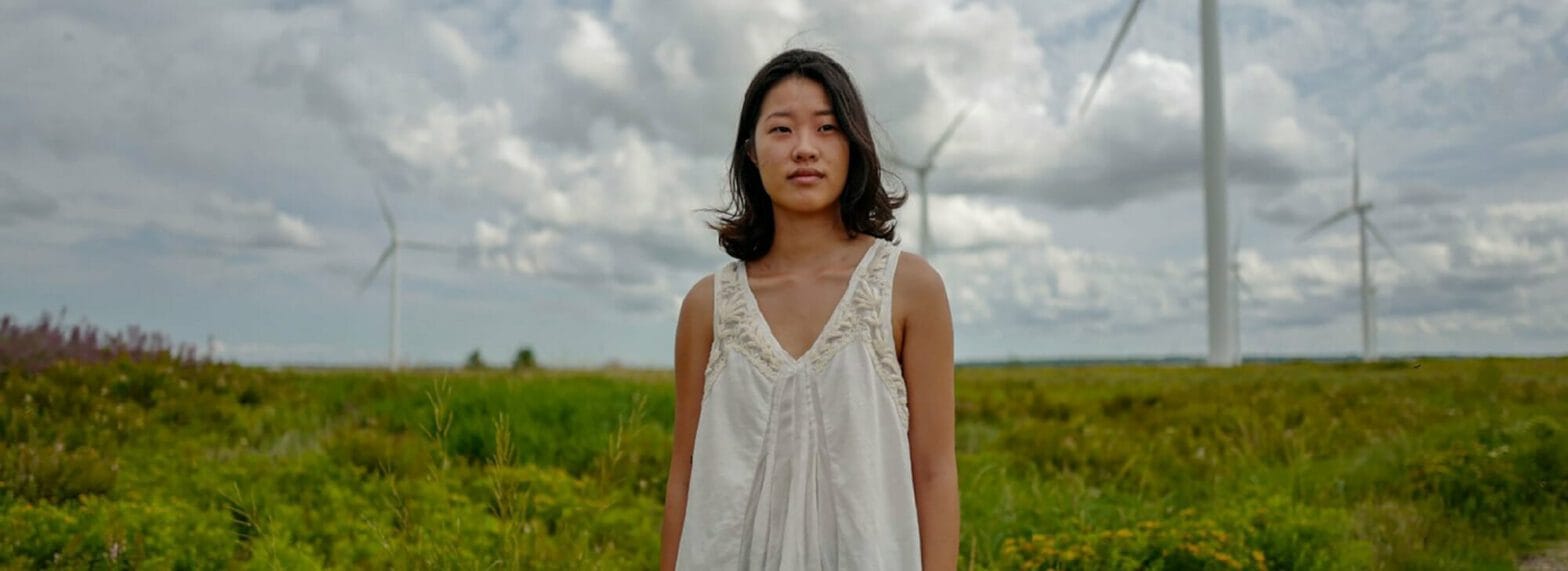
Community Forests International’s Environmental Justice intern Mia Tran had the opportunity to interview award-winning environmental justice activist, Tina Oh, to talk about what the movement means to her and what she sees for its future. Tina Oh is a migrant justice organizer with No One is Illegal – Halifax/Kjipuktuk (NOII-Hfx) and a master’s candidate in… Read more »
-
Towards Indigenous Reconciliation
In Canada and across the globe, there is increasing recognition of Indigenous leadership as essential to both the environmental movement and the interconnected demands for Truth and Reconciliation. In this second blog of the Environmental Justice series, we explore further the connection between environmental justice, forests, and reconciliation. Patterns of Injustice The costs of environmental… Read more »
Subscribe To Your Favourite Forests
Stories from the Wabanaki forest of the Maritimes, the Spice Forests of Zanzibar, and the mangrove forests of Mozambique.
Sign Me Up